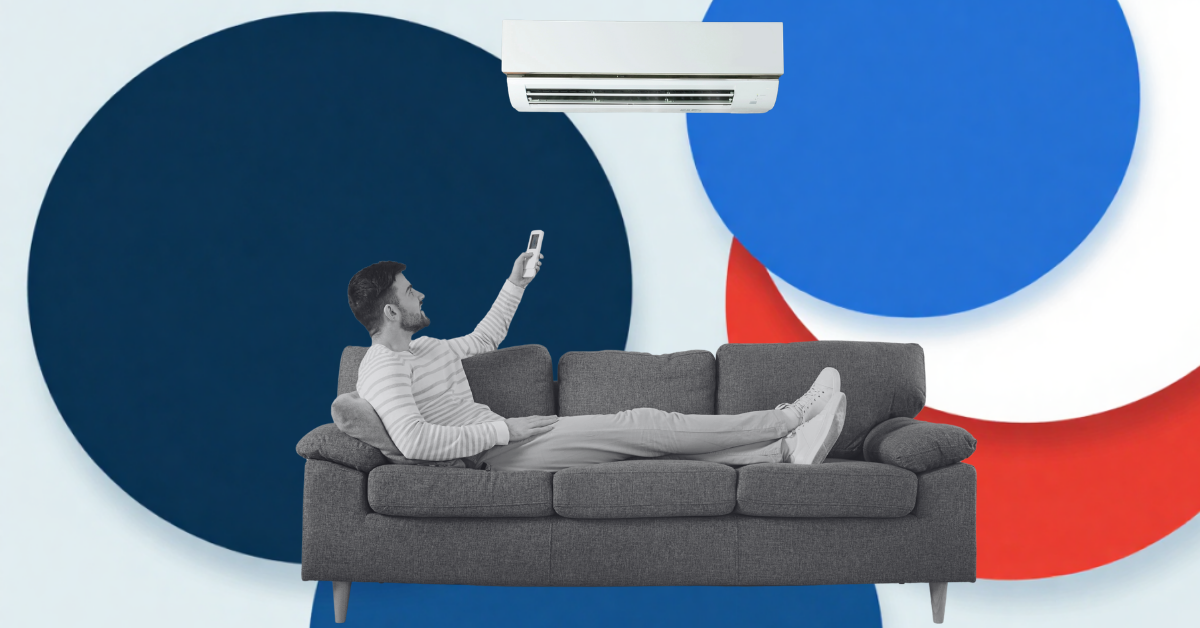

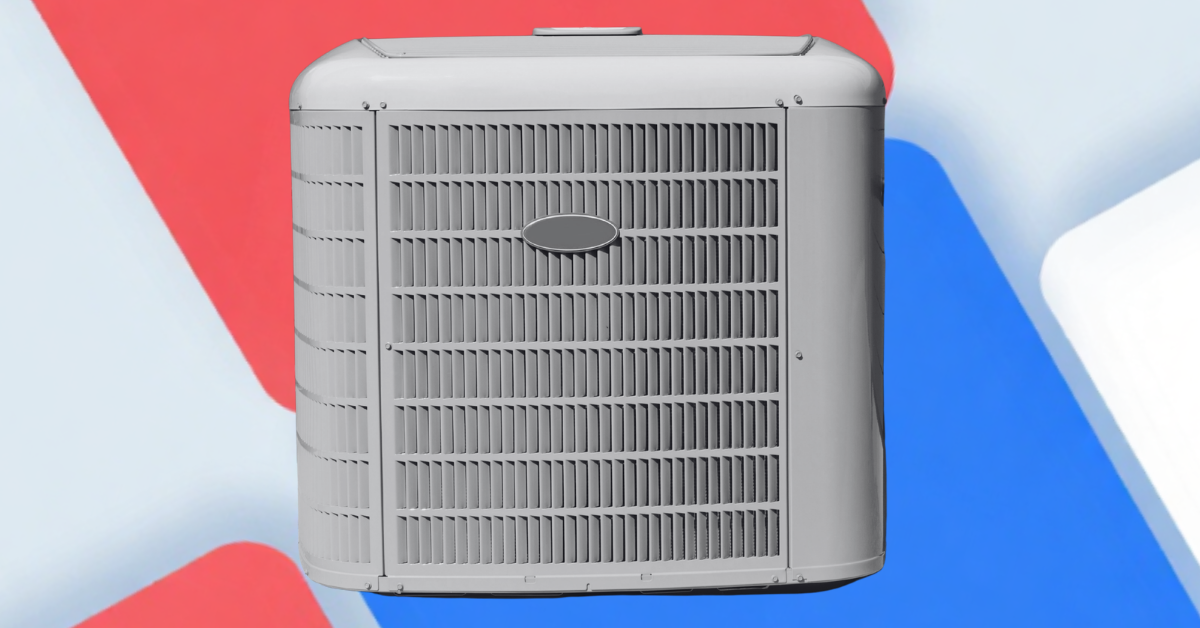
Heating and cooling systems have a "SEER" rating, which stands for “Seasonal Energy Efficiency Ratio.” This is the ratio of the cooling output of an A/C System in a typical cooling season, divided by the energy it uses in watt-hours. You may also hear HVAC technicians and installers refer to this as a “seasonal energy efficiency rating” when discussing different HVAC makes and models.
An article on Trane.com highlights what makes a good SEER rating and why the answer may vary depending on what you are looking for in a heating and cooling system. If you’re thinking about purchasing a new system, it’s an important rating to consider. Keep in mind that SEER is calculated over the entire season and is based on a constant indoor temperature plus outdoor temps that range from 60 degrees to 100+ degrees.
SEER is based on a maximum efficiency rating for your system and a typical season. Look at it this way: if your car has a “28 miles per gallon” highway rating but you get stuck in traffic three out of the five days you drive into work, the miles per gallon will be lower.
When looking at ratings, a 21 SEER rating is based on the system’s maximum efficiency. Weather conditions and other factors can impact this rating, but there are benefits to a higher SEER (rating or ratio).
When you purchase a system with a higher SEER, it will perform better in certain conditions. The minimum recommended SEER for air conditioners is 13, and most current systems have a SEER rating that ranges from 13-21. Trane air conditioners have an even higher minimum SEER rating and maximum, ranging from 14.5 to 22. Every system can have fluctuating efficiency based on the home’s size, ductwork, and other variables.
Don’t think that just because your air conditioner has a higher SEER rating, you shouldn’t rely on other energy-saving tips when extreme heat hits! Other ways to stay energy efficient this summer include keeping the blinds drawn on hot days, using cooler water when showering and doing laundry and using a programmable thermostat. Another great resource is the U.S. Department of Energy. They can even offer recommendations for SEER depending on where you live at https://www.energy.gov.
Your indoor comfort is important to us and that’s why purchasing a system with a higher SEER makes good sense. Higher SEER units typically have two components that make your home more comfortable, including a 2-stage or variable-speed compressor and a variable-speed blower. If your system has a lower SEER, it’s likely a single-stage unit, and it only runs one speed. Single-stage units offer uneven cooling and, overall, less comfort.
Are you looking at installing a new A/C unit or have questions about your existing one? Viviano can answer any questions that you may have and can offer recommendations on installing a new unit or repairing an existing one. We can even help direct you to tax credits and rebates that can decrease the costs of a higher SEER system. Family-owned and operated, we’ve been in business for over 30 years, and maintaining your trust is our priority. Learn more at Vivianoair.com or call us at (618) 345-7498.
.png)